
Is iptv legal: The short answer is yes, IPTV technology itself is perfectly legal. However, the legality of a specific service depends entirely on whether it has the proper licenses to broadcast its content. Licensed providers like Hulu + Live TV or YouTube TV are fully compliant. Conversely, unlicensed services that offer thousands of premium channels for a suspiciously low price often infringe on copyrights. Using or distributing these unlicensed streams violates federal laws, such as the DMCA and the Protecting Lawful Streaming Act.
Table of Contents
The landscape of television has shifted dramatically as cord-cutting becomes the standard for American households. IPTV in the United States has grown from a niche technology into a massive industry, but this growth has created significant confusion regarding what is permitted under federal law.
If you are considering an iptv subscription, understanding the difference between a legitimate service and a pirate network is crucial. Navigating this space requires more than just looking for a good deal; it requires an awareness of the copyright laws that protect broadcasters and content creators in 2026.
Understanding the Basics of IPTV in America
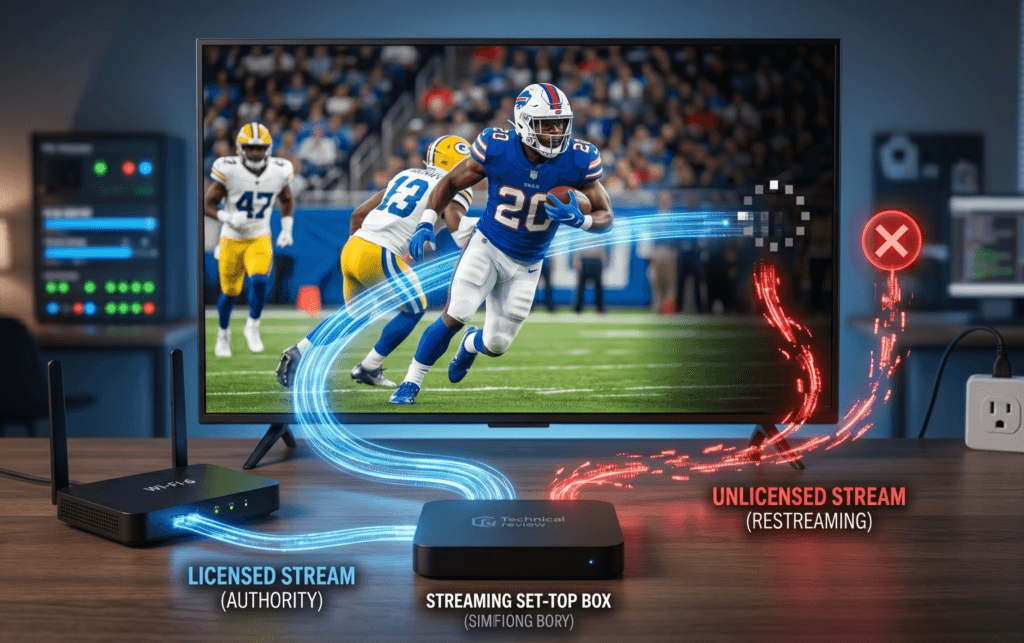
IPTV, or Internet Protocol Television, is simply a method of delivering video content over an internet connection rather than through traditional satellite or cable formats. In the United States, you likely already use legal IPTV without realizing it. Every time you stream a live event on a major network’s app, you are utilizing IPTV technology.
The technology is neutral. Just like a web browser can be used to access both legal and illegal sites, an IPTV player is simply a tool. The legal gray area only appears when we look at the source of the stream.
Licensed vs. Unlicensed Services
- Licensed Providers: These companies pay billions of dollars in licensing fees to networks like ESPN, HBO, and AMC. They operate legally, pay taxes, and have formal agreements to distribute content.
- Unlicensed Providers: These services “restream” content without permission. They often hide their server locations and accept payment via untraceable methods. In America, these services are considered illegal because they bypass the copyright owners’ right to be paid for their work.
Federal Laws Governing IPTV in the United States
The U.S. government has significantly tightened regulations over the last few years. The primary piece of legislation currently in effect is the Protecting Lawful Streaming Act, which was integrated into federal law to target large-scale pirate operations.
This law turned the “illegal streaming for commercial profit” into a felony. While the law is primarily aimed at the people who run the servers and sell the subscriptions, it clarifies that providing access to unlicensed copyrighted material is a serious criminal offense.
What is the penalty for using IPTV?
When discussing is iptv legal, most people want to know the personal consequences of choosing the wrong provider. The legal system generally categorizes penalties based on your role: the provider or the viewer.
Penalties for Service Operators
Operators of illegal IPTV networks face the most severe consequences. Under current federal law, individuals caught running unlicensed services for commercial gain can face:
- Up to 10 years in prison for repeat offenders.
- Millions of dollars in fines per copyrighted work infringed.
- Asset seizure, where the government freezes bank accounts and seizes equipment used to run the service.
Risks for the Individual Consumer
For the average person with an illegal iptv subscription, the penalties are usually different but still significant. While the FBI rarely knocks on the door of an individual viewer, the following risks are very real:
- Civil Lawsuits: Copyright holders can sue individual users for damages, often seeking thousands of dollars per infringement.
- Service Termination: Internet Service Providers (ISPs) can track illegal streaming traffic. After a few warnings, they may permanently terminate your home internet service.
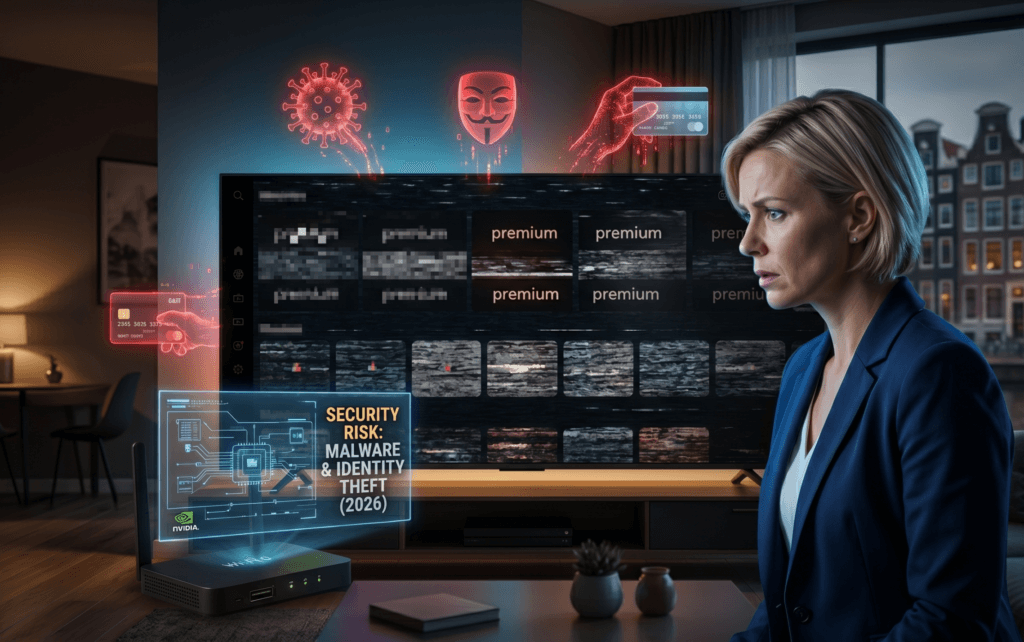
- Malware and Identity Theft: Since illegal providers operate outside the law, their apps often contain “trojans” designed to steal your credit card info or turn your devices into “bots” for cyberattacks.
How to Verify a Legal IPTV Subscription
To stay on the right side of the law, you should look for specific red flags. If a service offers every premium channel in the world, including pay-per-view events, for $10 a month, it is almost certainly illegal. IPTV in America is expensive for providers because of licensing costs; if the price is too good to be true, it likely is.
Check the payment methods. Legal services will use standard processors like Stripe or direct credit card portals. If a provider only accepts Bitcoin or “Friends and Family” PayPal transfers, they are likely trying to avoid a paper trail from law enforcement.
Frequently Asked Questions
Is a VPN necessary for IPTV?
While a VPN is great for privacy, it does not make an illegal service legal. It may hide your traffic from your ISP, but it does not protect you from the inherent security risks of using a pirate app.
Why does the government allow these sites to stay online?
Law enforcement constantly shuts down these sites, but new ones often pop up within hours under different names. This “whack-a-mole” scenario is why the government shifted focus to heavy felony penalties for operators.
Can I get in trouble for “Uitzending Gemist” or similar apps?
No, using official “catch-up” apps provided by the networks themselves is perfectly legal and encouraged.
Conclusion
Ultimately, the answer to is iptv legal depends on the source. To protect yourself and your data, stick to well-known, licensed providers. While the monthly cost might be higher, you gain the security of a legal contract, high-quality streams, and the peace of mind that you aren’t risking federal penalties or identity theft.
Browse our guides today to find the best-performing, fully licensed streaming services available in your area.